
The Anti-Kickback Statute is codified at 42 U.S.C. § 1320a-7b(b). This law has been a fixture in the United States healthcare system since its enactment, and its provisions have undergone several amendments to address the evolving landscape of healthcare services and compliance.
The expert team at Safe Harbor Group, guided by an experienced trial attorney, is committed to helping providers understand the Anti-Kickback Statute and other essential laws.

What Is the Anti-Kickback Statute?
The Anti-Kickback Statute is a criminal statute that prohibits transactions in which remuneration is exchanged, explicitly or implicitly, to incentivize or reward the referral of business reimbursable under federal healthcare programs. Such remuneration can include anything of value, whether direct or indirect. Notably, for a violation to occur, the government must demonstrate criminal intent, meaning that the accused conducted the transaction with the deliberate purpose of exchanging payment for referrals.
Facing an Audit? Don’t Go at It Alone.
We Saved Our Client $550 Million Last Year.
Primary Elements of an Offense Under the Anti-Kickback Statute
Remuneration
This involves the transfer of anything of value, in cash or kind.
Knowing and Willful
The exchange was conducted with knowledge and the deliberate intent to violate the statute.
In Exchange for Referrals
The payment was specifically for buying referrals for services or items covered by a federal healthcare program.
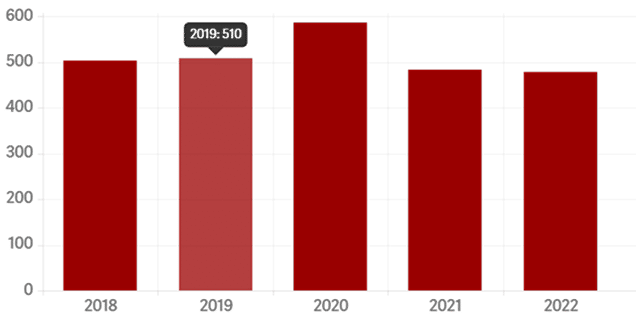
Anti-Kickback Enforcement Trends
On February 7, 2023, Principal Deputy Assistant Attorney General Brian M. Boynton announced that the Civil Division recovered over $2.2 billion in settlements and judgments under the False Claims Act (“FCA”) for fiscal year 2022.
Ketamine Clinic Compliance Overview
Federal Safe Harbors: A Closer Examination
To mitigate the broad applicability of the Anti-Kickback Statute, the government has established “Safe Harbors.” These regulatory provisions shield certain arrangements that might otherwise technically violate the Anti-Kickback Statute, provided that specific conditions are met. The idea is to allow room for legitimate business arrangements while still preventing abusive practices. Some key safe harbors include:
Investment Interests
There are safe harbors for both small and large investments, protecting payments of dividends or interest on bona fide investments.
Space and Equipment Rentals
Rental agreements must be in writing, specify the equipment or space covered, and provide for a rental fee that is fair market value and not based on the volume or value of any referrals.
Personal Services and Management Contracts
Arrangements must be outlined in written agreements and provide for compensation considered fair market value.
Sale of Practice
For one year after the sale, the seller may not be able to make referrals to the buyer.
Referral Services
Referral services must not exclude providers that don’t refer to a particular entity, and the fees charged must be consistent and not based on the volume or value of referrals.
Discounts
Discounts must be properly disclosed and accurately reported.
It’s vital for entities to carefully analyze and structure their arrangements to fit within these or other relevant safe harbors.
The “One Purpose Test” has been a significant focus in Anti-Kickback Statute jurisprudence. This doctrine was notably applied in United States v. Greber, where the court held that if a payment’s purpose was to induce future referrals, the Anti-Kickback Statute was violated, even if there were other legitimate reasons for the payment. This ruling underscores the necessity for healthcare providers to meticulously review their practices and consulting agreements, as any instance of remuneration with the purpose of inducing referrals could lead to liability.
Avoiding Kickback Violation
The “One Purpose Test” and Its Impact
Key Steps to Ensure Compliance in Healthcare Payment Arrangements
- Clearly Define the Payment Arrangement: Any arrangement should have clearly defined terms, including the scope of services, payment terms, and fair-market-value compensation, without regard to the volume or value of referrals.
- Conduct Regular Training: All involved parties should participate in regular training sessions on the Anti-Kickback Statute to understand the importance of complying with the law and recognizing potential violations.
- Document Everything: Proper documentation of all transactions, communications, and justifications for payment rates or arrangements is vital. Such documentation serves as evidence that the arrangement was made at fair market value and not to induce referrals.
- Implement Internal Controls: Regularly audit and monitor payment arrangements to identify and address potential risks. Having a robust internal compliance program can act as a first line of defense against potential violations.
The Importance of a Compliance Review
A proactive approach is the best defense against potential Anti-Kickback Statute violations. This involves regularly reviewing and updating your compliance programs and practices. An external compliance review, such as one from Chapman Consulting Group, can:
- Identify areas of risk or vulnerability in your payment arrangements.
- Offer expertise in understanding and interpreting the nuances of the Anti-Kickback Statute and its associated safe harbors.
- Provide insights into the latest regulatory updates and their implications on your arrangements.
- Suggest modifications to your existing arrangements to ensure compliance.
Common Questions
FAQ: Understanding the Anti-Kickback Statute
To mitigate the broad applicability of the Anti-Kickback Statute, the government has established “Safe Harbors.” These regulatory provisions shield certain arrangements that might otherwise technically violate the Anti-Kickback Statute, provided that specific conditions are met. The idea is to allow room for legitimate business arrangements while still preventing abusive practices. Some key safe harbors include:
What is the Anti-Kickback Statute?
The Anti-Kickback Statute is a federal law that prohibits the exchange of any form of remuneration to induce or reward the referral of patients or the provision of healthcare services payable by a federal healthcare program.
What does the Anti-Kickback Statute prohibit?
The statute forbids transactions involving remuneration (transfers of value) intended to encourage or reward referrals for services or items covered by federally funded healthcare programs. This includes not only kickbacks but also bribes and rebates, whether made directly or indirectly, overtly or covertly.
What are the penalties for violating the Anti-Kickback Statute?
Violations of the Anti-Kickback Statute can result in severe consequences, including criminal penalties such as fines up to $100,000 and imprisonment for up to ten years (if prosecuted as healthcare fraud). Additionally, civil penalties can include fines and possible exclusion from participation in federal healthcare programs.
Who does the Anti-Kickback Statute apply to?
The Anti-Kickback Statute applies to all healthcare providers, suppliers, and entities involved in referring patients for services or items covered by federal healthcare programs, such as Medicare and Medicaid. This includes doctors, nurses, pharmacists, laboratories, hospitals, clinics, and anyone else who interacts with federal healthcare patients.
How many Safe Harbors are there in the Anti-Kickback Statute?
As of my last update in early 2022, there are 28 regulatory safe harbors to the Anti-Kickback Statute, each addressing various payment practices and business arrangements. These safe harbors are periodically updated and expanded to accommodate changing healthcare practices and models.
Is the Anti-Kickback Statute civil or criminal?
The Anti-Kickback Statute encompasses both civil and criminal law aspects. Individuals or entities found in violation can face criminal prosecution, resulting in potential imprisonment and criminal fines, as well as civil penalties, including monetary penalties and exclusion from federal healthcare programs
What does remuneration mean under the Anti-Kickback Statute?
In the context of the Anti Kickback Statute, “remuneration” includes the transfer of anything of value, directly or indirectly, overtly or covertly, in cash or in kind. It covers any payment, discount, or other benefits, regardless of form, given to induce or reward referrals involving federal healthcare program business.
What is an example of a violation of the Anti-Kickback Statute?
An example might be a laboratory company providing expensive equipment to a doctor’s office for free or below market value, in exchange for the doctor’s agreement to refer all patient lab work to that company. This exchange constitutes remuneration and is intended to induce referrals, thereby potentially violating the Anti-Kickback Statute.
What is the difference between the Stark Law and the Anti-Kickback Statute?
While both the Stark Law and the Anti-Kickback Statute seek to limit conflicts of interest in healthcare, they target different aspects of these issues. The Stark Law specifically prohibits physicians from referring patients for certain health services payable by Medicare to an entity with which the physician or an immediate family member has a financial relationship, subject to certain exceptions. It is a strict liability statute, meaning intent doesn’t need to be proven for a violation to have occurred.
Conversely, the Anti-Kickback Statute has a broader application beyond physician referrals, prohibiting the exchange of anything of value to induce or reward referrals for any healthcare item or service payable by federal healthcare programs, and violations require proof of intentional misconduct.
Understanding the details of both laws and staying compliant with their requirements is essential for healthcare practices to minimize legal risks and maintain ethical standards.
Why Choose Safe Harbor Group for Anti-Kickback Reviews in Detroit?
With a myriad of consulting firms available, Safe Harbor Group stands out due to its:
- Expertise: Our team comprises industry-leading experts who are familiar with the intricacies of the Anti-Kickback Statute, ensuring that your payment arrangements withstand the strictest scrutiny.
- Tailored Solutions: We understand that every healthcare entity is unique. Our solutions are bespoke, ensuring they align perfectly with your specific needs and challenges.
- Track Record: With years of experience in healthcare compliance, our clients trust us to deliver actionable insights and recommendations that safeguard their interests.
- Holistic Approach: We don’t just identify potential issues; we offer solutions. Our team works closely with you to adjust payment arrangements, ensuring they are not only compliant but also efficient and beneficial for all parties involved.
Consult Our Experts Today
A solid understanding of the Anti-Kickback Statute is essential for avoiding serious legal and financial consequences. Safe Harbor Group helps providers navigate these complex rules with clarity, offering support from professionals who have spent years working within federal enforcement and healthcare compliance.
Our guidance helps organizations strengthen internal safeguards, review payment arrangements, and reduce risk in a highly scrutinized environment. If your practice needs help evaluating compliance or restructuring agreements, contact us today.